An In-Depth Look at German Antique Marbles: Handmade Masterpieces and Collector Treasures
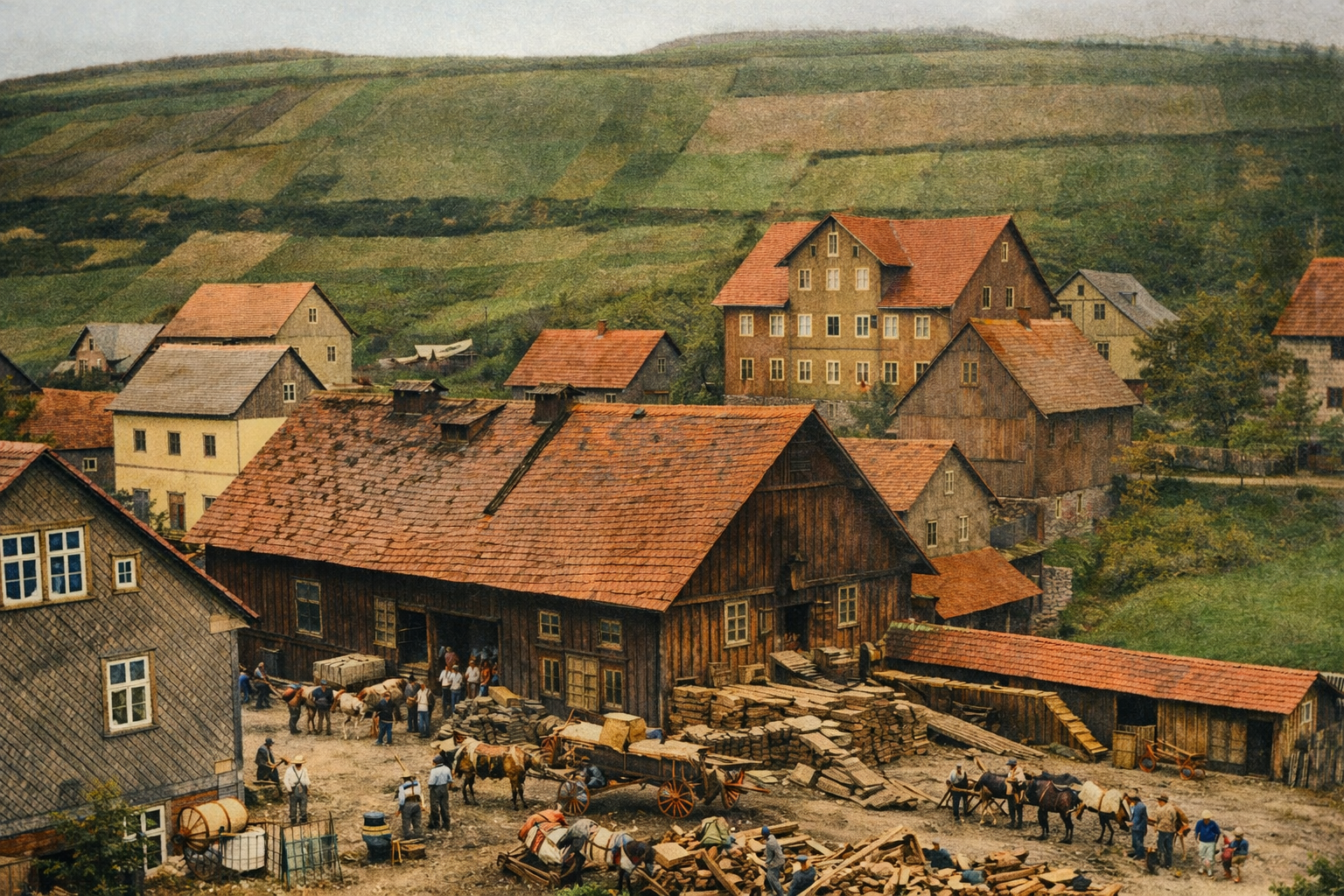
Marbles may seem like simple childhood playthings, but to collectors around the world, German antique marbles represent a pinnacle of artistry, craftsmanship, and historical significance. Handmade in the late 19th and early 20th centuries, these glass spheres are admired not just as game pieces, but as miniature works of art — each with distinct patterns, colors, and production traits that tell a story of early industrial glassmaking in Germany. We came across a website in the UK one day called Vintage Marbles Store
In this comprehensive article, we’ll explore what makes German handmade marbles so sought after, how they were made, how to identify genuine examples, major production centers and makers, and what collectors should know about rarity, value, and preservation.
A Brief History: Why Germany Became a Marble Powerhouse
The story of German antique marbles begins with the rise of industrial glassmaking in Europe. In the late 1800s, Germany was a world leader in glass production due to:
- Access to high-quality raw materials (silica, potash, minerals)
- Skilled glass artisans with centuries-old traditions
- Advancements in glassworking technology
- A growing culture of toys and children’s games in Europe
By the 1880s–1890s, German factories were producing millions of marbles annually, making them the primary source of marbles shipped to the United States and other countries before mass production shifted to machine-made marbles in the 1910s and 1920s.
German production included not only simple toy marbles, but complex handmade glass marbles — artfully crafted with multiple layers, colored ribbons, swirls, and unusual inclusions. These were often marketed as “German handmade marbles” or “Hawa marbles” (a term collectors use for high-quality German pieces), and they remain among the most collectible today.
How German Handmade Marbles Were Made
Unlike machine-made marbles, which appear nearly identical and perfectly round, German handmade marbles show subtle variations that reflect their artisanal origins.
1. Core Formation
Glassworkers gathered molten glass on the end of a rod and formed a roughly spherical core. Colors were added by:
- Adding colored glass rods or frit (small bits of glass)
- Rolling molten glass on colored glass powders
2. Patterning
Once the core was shaped, makers employed techniques such as:
- Swirling: twisting to create spiral patterns
- Ribboning: applying thin colored ribbons of glass around the core
- Latticinio: cross-hatched net patterns
- Millifiori: embedding slices of patterned glass canes
These techniques produced distinctive pattern families that help collectors identify age and origin.
3. Shaping and Cooling
After patterning, the marbles were shaped by hand and sometimes rolled in a curved groove called a marble slab, which helped round the glass. They were then placed in annealing ovens — a slow cooling process that relieved stress from the glass and made them less likely to crack.
4. Variability as a Signature
Because each marble was shaped by hand, no two are exactly alike. Slight asymmetry, variations in pattern, thickness of glass, and tiny bubbles are not imperfections but hallmarks of handmade production.
Identifying German Antique Handmade Marbles
For new collectors, distinguishing a genuine handmade German marble from later machine-made or reproduction pieces can be challenging. Here are key characteristics:
✅ 1. Pontil Mark (Dip Mark)
Many handmade marbles have a pontil mark — a small rough or circular scar where the glass was detached from the rod. It appears as:
- A shallow crater
- A rough spot
- A polished, slightly different texture area
Machine marbles typically don’t have pontil marks.
✅ 2. Irregularities
Handmade marbles may exhibit:
- Slightly off-center cores
- Uneven patterns
- Tiny bubbles or striations
- Slight asymmetry
These traits contrast with the near-perfect uniformity of machine marbles.
✅ 3. Pattern Types
Certain patterns are classic to German handmade marbles:
| Pattern Name | Description |
|---|---|
| Swirls | Multiple colors twisted into a spiral design |
| Cat’s Eye | Ribbon encased by clear glass resembling a cat’s eye |
| Latticinio | Net-like crisscrossed colored filaments |
| Onionskins | Thin, wispy layers of colored glass |
| Nebula | Cloud-like, swirling internal colors |
| Milky Opaque | Opaque white or pastel with colored accents |
✅ 4. Color Palette
German marbles often feature rich, saturated colors like:
- Deep reds and blues
- Olive greens
- Amber and citrine
- Vibrant spring greens
- Opaline and opaque whites
The complexity of layering and blending is a good sign of handmade quality.
Major German Production Centers & Makers
While many marbles were produced in small workshops, several regions and firms became known for high-quality work:
✦ Lauscha, Thuringia
This town is the birthplace of modern marbles and remains legendary among collectors. Skilled artisans developed many of the traditional handmade techniques here.
✦ Sonneberg
Another historical glassmaking center with skilled workers producing decorative marbles, often with unique color blends.
✦ Makers to Know
Many marbles are anonymous, but some are attributed to workshops such as:
- Kammer & Reinhardt
- Gräfenthal Glassworks
- R. L. Wright (import brands using German stock)
Often marbles are identified by pattern type rather than maker’s name, since few were signed.
Collecting German Antique Marbles: What to Look For
1. Condition
Condition is paramount. Look for:
- No major chips or cracks
- Minimal surface wear (“crazing” from age is acceptable)
- Sharp, vibrant patterns
Marbles with major damage lose significant value.
2. Rarity of Pattern
Some patterns are common, but others are rare. For instance:
- Latticinio swirls and complex multi-color cores are more valuable
- Specialty patterns like closed-core onionskins or “rainbow” cores command premiums
3. Size Matters
German handmade marbles were produced in sizes ranging typically from:
- ¾ inch (approx. 19 mm)
- Up to 1¼ inch (approx. 31 mm) and occasionally larger
Unusual sizes are appealing to collectors.
4. Provenance
Documentation from previous owners or auctions adds credibility. Pieces from notable collections often fetch higher prices.
Valuation: How Much Are German Antique Marbles Worth?
Marble values vary widely based on factors like age, pattern, condition, size, and rarity. While simple German handmade swirls might be worth tens of dollars, exceptional examples can reach hundreds or even thousands at auction.
Here’s a rough breakdown (general market guidance, not fixed prices):
| Category | Typical Value Range |
|---|---|
| Common handmade swirls | £20 – £75 |
| Cat’s eye & onionskins | £50 – £200 |
| Latticinio patterns | £100 – £500+ |
| Rare, large, or museum-quality pieces | £500 – £2,000+ |
| Highly exceptional or documented pieces | £2,000+ |
Prices fluctuate based on collector interest, market trends, and venue (e.g., auctions vs. private sales).
Why Collectors Love German Handmade Marbles
✔ They’re Miniature Artworks
Each marble is unique — a vortex of color and glass mastery distilled into a perfect sphere.
✔ Historical Connection
Owning a German handmade marble is like holding a piece of late 19th-century artisan craft.
✔ Engaging Community
Marble collecting has dedicated clubs, shows, and online communities where enthusiasts share identifications and stories.
✔ Beauty in Play & Display
Unlike many antiques, marbles are tactile and can be enjoyed both as display pieces and, historically, as game tokens.
Care & Display Tips for Antique Marbles
To preserve your collection:
• Avoid Direct Sunlight
Prolonged exposure can fade colors, especially older glass pigments.
• Handle with Care
Glass chips easily. Use soft fabric trays or padded boxes.
• Clean Gently
Use:
- Soft cloths
- Mild soap and water
- No abrasive polishes
Avoid harsh chemicals or ultrasonic cleaners.
• Display Thoughtfully
Consider:
- Velvet or felt trays
- Acrylic risers
- Backlighting to show internal patterns
Proper display enhances appreciation and reduces risk of damage.
Common Pitfalls & How to Avoid Them
⚠ Reproductions
Some modern marbles mimic antique patterns. Red flags include:
- Perfect uniformity
- No pontil marks
- Very bright, synthetic-looking colors
⚠ Misattribution
Some marbles are labeled as “German” for marketing; true handmade German marbles are pre-World War I, usually late 1800s–early 1900s.
⚠ Overpaying
Research recent sale prices and join collector forums to gauge market trends before significant purchases.
Resources for Enthusiasts
Books
Collector guides on antique marbles cover patterns, makers, and valuation.
Shows & Clubs
National and international marble shows bring enthusiasts together for buying, selling, and learning.
Online Communities
Forums and photo databases help with pattern identification and valuation comparisons.
Conclusion: The Enduring Allure of German Antique Marbles
German handmade marbles hold a cherished place in the world of collectibles because they blend craftsmanship, history, and playfulness in a tiny glass sphere. Their origins in master glasswork regions like Lauscha and Sonneberg, combined with the artistry of handcrafted techniques like swirling, ribboning, and latticinio, give each piece a distinct personality.
For collectors — whether novice or seasoned — German antique marbles offer both aesthetic beauty and a deep connection to the past. They invite exploration: of techniques, patterns, markets, and stories behind each piece.
If you’re drawn to objects that honor craftsmanship and carry the echoes of bygone eras, these marbles are more than collectibles — they’re miniature treasures of glass artistry.
You can learn more about vintage german marbles at www.vintagemarbles.co.uk and they also have a blog where you can learn even more blog here










Post Comment